

Subtotal $0.00


 24 Hour At Your Services
How to Lose Weight Safely and Improve Your Metabolism
Are you trying to lose weight and feel healthier without following extreme, restrictive diets? The good news is that you do not need to starve yourself, slash entire food groups, or spend endless, grueling hours exercising to see real results. Sustainable weight loss comes from building healthy, repeatable daily habits that you can maintain over time.
At Dorisfit Spa & Kinesiology Clinic, we believe that long-term healthy weight management should combine proper nutrition, structured physical activity, restorative sleep, and realistic lifestyle changes. True transformation is not about deprivation; it is about working in harmony with your body’s unique mechanics.
1. Exercise Regularly and Strategically
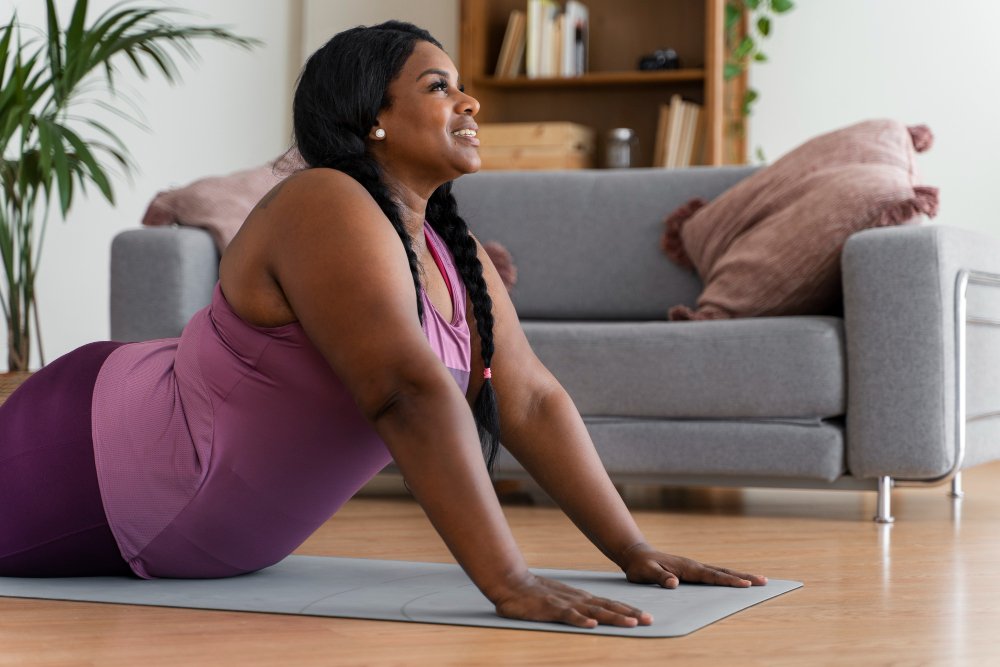
Exercise helps you burn calories, maintain lean muscle tissue, and improve your overall cardiovascular fitness. While cardio burns calories in the moment, strength training is particularly useful because maintaining muscle mass actively supports your body’s baseline energy needs. Muscle tissue is metabolically active; the more lean muscle you have, the more calories your body burns at rest.
If you are new to exercise, avoid the trap of doing too much too soon, which often leads to burnout or injury. Gradually increase the duration and intensity of your movement. You can start with simple, highly effective activities such as:
- Brisk walking (a great low-impact way to start your day)
- Squats and lunges (excellent for building lower-body strength)
- Light resistance exercises (using bands or light dumbbells)
- Dancing or aerobics (keeps movement fun and engaging)
- Cycling and swimming (gentle on the joints while building endurance)
- Stretching and mobility exercises (crucial for recovery and flexible movement)
2. Eat Smaller, Balanced Portions
Portion size matters immensely when you are trying to manage your weight. Instead of eating very large meals that leave you feeling sluggish, pay attention to the exact composition and volume of food you put on your plate. A well-balanced meal should fuel your body without overloading it. Try structuring your plate using these key components:
- High-Quality Protein: Eggs, fish, chicken, beans, lentils, or lean meats. Protein satisfies hunger best and prevents muscle loss.
- Fibrous Vegetables: Leafy greens, broccoli, carrots, peppers, and other colourful vegetables that add bulk and nutrients without high calories.
- Healthy Carbohydrates: Whole grains, sweet potatoes, oats, or brown rice to provide sustained energy.
- Healthy Fats: Nuts, seeds, avocados, or small amounts of healthy oils like olive oil to support hormone health.
Tip: Eating slowly and chewing mindfully can help your brain recognize the hormones that signal when you are comfortably full.
3. Reduce Excess Sugar and Highly Processed Foods
Frequent consumption of sugary drinks, sweets, pastries, fast foods, and highly processed items makes it incredibly easy to consume far more calories than your body actually requires. These foods are often structurally engineered to be hyper-palatable, meaning they trick your brain into ignoring fullness cues.
Start by replacing sugary sodas, artificial juices, and sweetened coffees with pure water or herbal teas. When grocery shopping, focus on buying whole or minimally processed single-ingredient foods more often.
4. Consider Intermittent Fasting Carefully
Intermittent fasting involves eating all of your daily food within a specific time window and fasting during the remaining hours (such as the popular 16:8 method). For some adults, it can be a highly useful way to naturally organize meals, curb late-night snacking, and reduce overall calorie intake.
However, intermittent fasting is not a magical fix, and it is not suitable for everyone. It is not inherently superior to traditional calorie-controlled diets; its success depends entirely on the quality of food consumed. If you choose to try it, focus on nutrient-dense meals during your eating period rather than overeating to compensate for the fasting hours.
Important: Pregnant or breastfeeding women, individuals with a history of disordered eating, people with certain chronic medical conditions, and those taking medications that affect blood sugar must speak with a healthcare professional before attempting any fasting regimen.
5. Support and Protect Your Metabolism
Your metabolism is the complex biochemical process through which your body converts what you eat and drink into energy. Your body naturally utilizes a baseline amount of energy just to keep you alive and breathing, even when you are resting. Rather than looking for a “magic pill” or an unverified commercial metabolism booster, focus on verified daily habits that support a healthy body:
- Engage in regular physical activity to keep your metabolic rate elevated.
- Consume adequate protein to leverage the thermic effect of food (your body burns more energy digesting protein than fats or carbs).
- Prioritize strength training to preserve your fat-burning muscle mass.
- Get sufficient sleep to keep metabolic hormones regulated.
- Avoid extreme crash diets. Rapid, severe calorie restriction forces the body into a protective slowdown, resulting in the loss of muscle mass and making long-term weight management far more difficult.
6. Drink Enough Water
Water is essential for normal metabolic functions, cellular repair, and digestion. Interestingly, mild dehydration frequently mimics the sensations of hunger, leading many people to overeat when their body is actually just crying out for fluids. Keep a reusable water bottle available throughout the day. Choosing water over juices or sodas is one of the easiest ways to cut out hundreds of empty calories per week.
7. Get Enough Restorative Sleep
Sleep is often completely overlooked in weight-loss plans, yet it is a foundational pillar of health. Poor or insufficient sleep disrupts your body’s hunger hormones, specifically increasing ghrelin (the hormone that makes you feel hungry) and decreasing leptin (the hormone that tells you that you are full). This hormonal imbalance causes intense cravings for high-calorie, sugary foods. Aim for a consistent sleep schedule of 7 to 8 hours per night to keep your body burning energy efficiently.
How Fast Should You Lose Weight Safely?
Although it is natural to want to lose weight as quickly as possible, gradual, steady weight loss (around 0.5 to 1 kilogram per week) is much safer and significantly easier to maintain long-term. Your individual results will depend on unique factors such as your starting weight, diet, activity level, sleep hygiene, medications, medical conditions, and genetics.
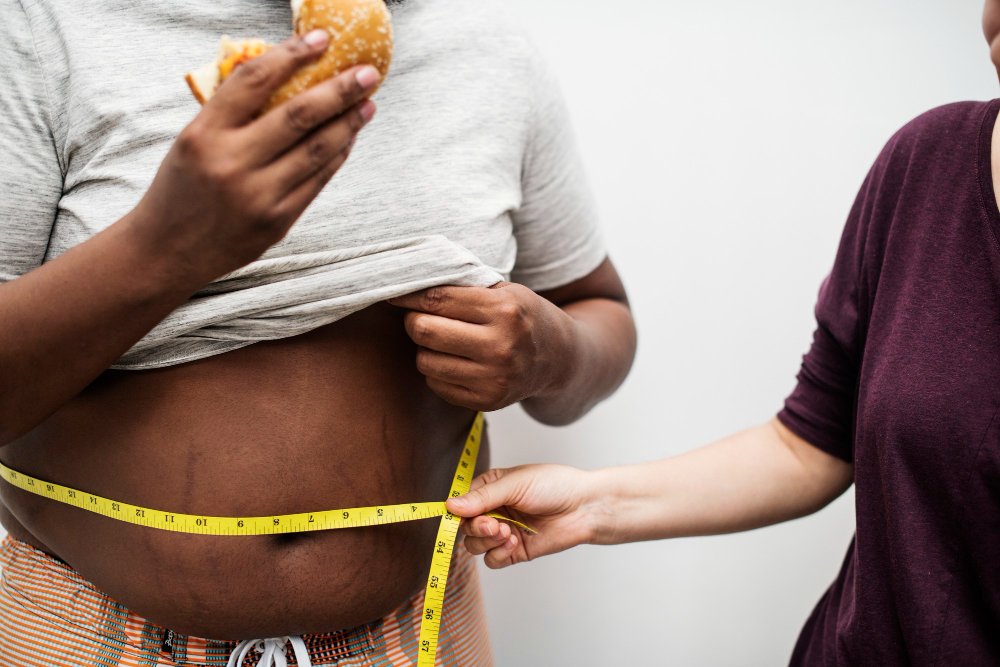
Instead of obsessing over the fluctuating number on the scale, measure your progress holistically. Pay attention to changes in your waist measurement, improvements in your physical fitness level, daytime energy spikes, better sleep quality, and your overall sense of physical well-being.
A Simple Daily Weight-Loss Routine
You do not need a complicated schedule to see changes. Start with this highly manageable daily outline:
- Morning: Drink a tall glass of water immediately upon waking. Follow up with a balanced, protein-rich breakfast if you prefer to eat early.
- During the Day: Choose balanced, whole-food meals, practice portion control, and stay active by taking brief movement breaks every hour.
- Exercise Window: Dedicate 30 minutes to a brisk walk or a structured resistance training routine.
- Evening: Avoid unnecessary late-night snacking, dim the screens, and prioritize winding down for a restful night of sleep.
Final Thoughts
Losing weight safely does not mean punishing your body, starving yourself, or subscribing to unsustainable lifestyle extremes. A thoughtful combination of portion control, regular exercise, nutrient-dense whole foods, adequate sleep, and sustainable lifestyle habits will help you work steadily toward a healthier weight.
There is no single method that works for every single person. The best approach is the one that is realistic, safe, and sustainable for your specific body and lifestyle.
Ready to Start Your Wellness Journey?
At Dorisfit Spa & Kinesiology Clinic, we provide professional wellness, massage therapy, clinical kinesiology, and personalized lifestyle-support services designed to help you move freely and feel your absolute best. Let our team of specialists design a safe, movement-based weight management strategy tailored to your exact body type and goals.
Contact Us Today:
- Website: dorisfit.com
- Phone / WhatsApp: 07069715312 | 08151895216
📑 Frequently Asked Questions (FAQ Schema Ready)
Q: Can I lose weight without doing intense gym workouts?
A: Yes. Weight loss relies heavily on creating a sustainable calorie balance through nutrition and daily movement. Low-impact activities like brisk walking, cycling, and home resistance training are highly effective for burning fat safely without intense gym machinery.
Q: How does building muscle help improve my metabolism?
A: Muscle tissue is more metabolically active than fat tissue. This means that even when you are sitting or sleeping, your body requires more energy to maintain muscle, naturally increasing your resting metabolic rate.
Q: Why does my weight loss seem to stall after a few weeks?
A: Weight loss stalls can happen due to natural water retention shifts, muscle gain, or your metabolism adapting to a lower weight. Focus on non-scale victories like body measurements, strength levels, and how your clothes fit.