
Subtotal $0.00


 24 Hour At Your Services
The Silent Killer: Why High Blood Pressure is the One Health Number You Can’t Ignore
We talk a lot about fitness, nutrition, and crushing our health goals. We track our daily steps, optimize our protein intake, and celebrate hitting new personal records in the gym. But there is one critical vital sign that often gets left completely out of the conversation until it’s too late: high blood pressure, medically known as hypertension.
Often nicknamed “the silent killer,” hypertension is a quiet threat. It doesn’t crawl into your life with obvious warning signs, dramatic pain, or unmistakable symptoms. Instead, it works quietly in the background, gradually wearing down your vascular system, straining your heart, and damaging your organs without you ever feeling a thing.
Understanding this hidden condition is essential for anyone serious about long-term wellness. Here is an in-depth guide on why high blood pressure is so dangerous, how to accurately track it, and the actionable lifestyle choices you can make today to protect your heart and longevity.
Why is it Called the “Silent Killer”?
To understand why hypertension earned its dark nickname, it helps to understand what blood pressure actually is. Your blood pressure is the measurement of the force that your blood exerts against the walls of your arteries as your heart pumps it throughout your body.
When that pressure stays consistently too high for too long, it causes microscopic tears and structural damage to those elastic blood vessels. Over time, the arteries stiffen and narrow, making it much harder for oxygen-rich blood to reach your vital organs.
The truly alarming part? Nearly 1 in 5 people living with high blood pressure have absolutely no idea they have it. You could feel completely vibrant, healthy, energized, and fit on the outside while your heart and arteries are quietly under massive, unsustainable strain on the inside. You cannot rely on “feeling sick” to alert you to this danger.
If left unmanaged and unmonitored over months and years, this hidden internal pressure can culminate in severe, life-altering health complications:
- Heart Attacks and Heart Failure: To push blood through narrowed, stiff arteries, your heart muscle is forced to work much harder. Over time, this constant overwork causes the heart muscle to thicken, stiffen, and eventually weaken, leading to heart failure or sudden coronary blockages.
- Stroke: High arterial pressure can weaken the delicate blood vessels in your brain, causing them to suddenly burst (hemorrhagic stroke) or become narrow and easily clogged by a blood clot (ischemic stroke).
- Chronic Kidney Disease: Your kidneys rely on a dense network of healthy capillaries to filter waste products from your blood. Hypertension narrows and hardens these vessels, progressively destroying the kidneys’ filtering capacity and potentially leading to kidney failure.
- Vision Loss: The tiny blood vessels supplying your retinas are highly sensitive to pressure changes. Hypertension can cause them to burst, leak, or harden, resulting in blurred vision or complete blindness.
- Cognitive Decline: Long-term elevated pressure restricts blood flow to the brain, which can accelerate memory loss, impair executive function, and significantly increase the risk of developing vascular dementia.
De-Coding Your Numbers: What the Data Means
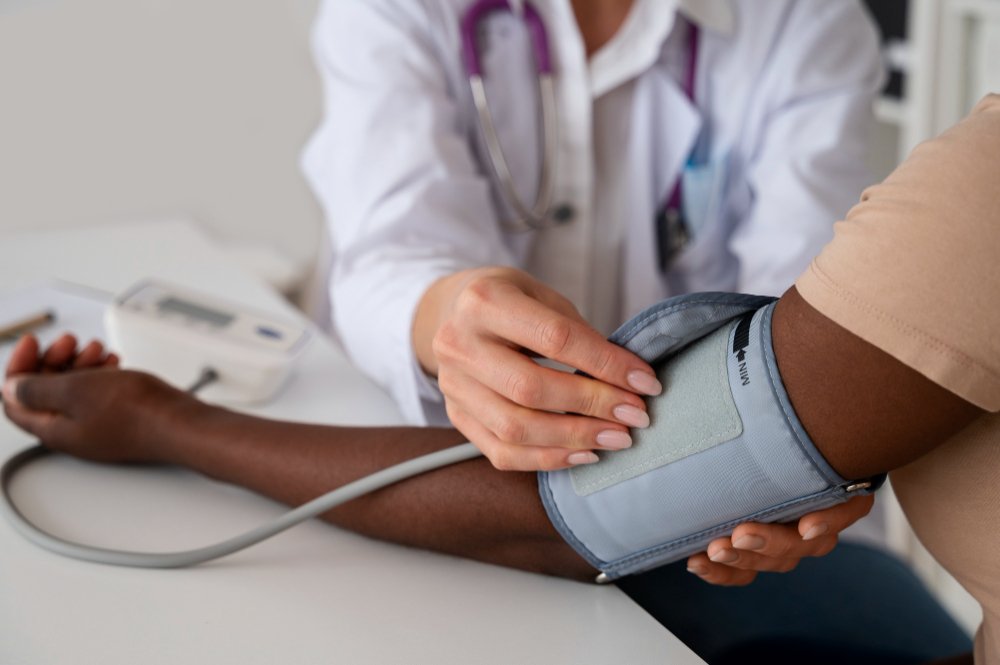
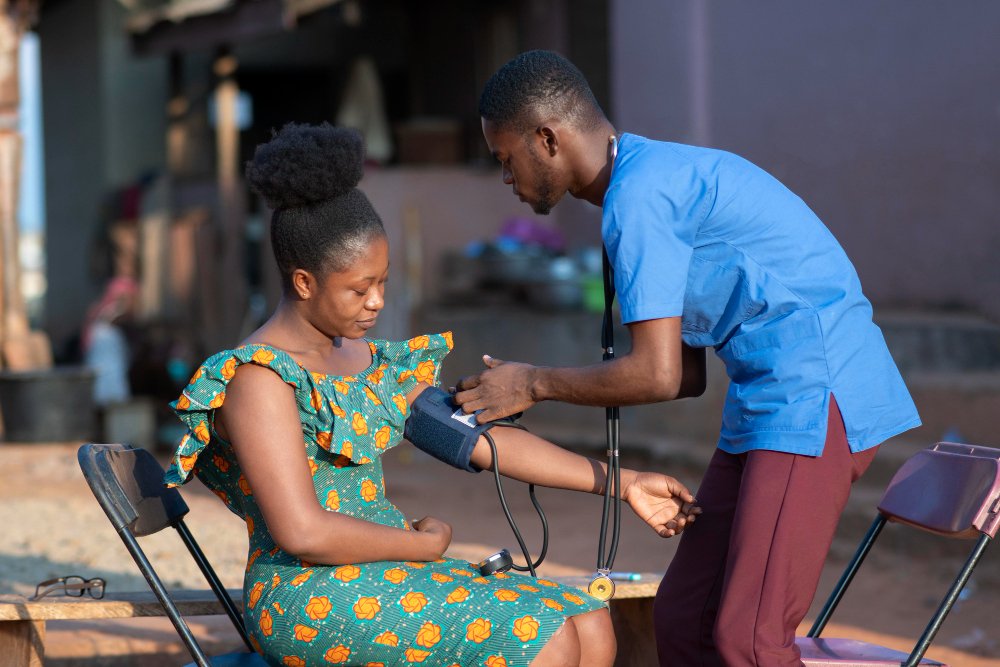
Because you can’t physically feel high blood pressure, the only definitive way to catch it is through regular objective measurement. When you look at a digital blood pressure monitor or have your reading taken by a doctor, you will see two numbers measured in millimeters of mercury (mm Hg).
- Systolic Blood Pressure (The Top Number): This measures the maximum pressure exerted against your artery walls at the exact moment your heart contracts and pumps blood out.
- Diastolic Blood Pressure (The Bottom Number): This measures the pressure in your arteries when your heart relaxes and refills with blood between beats.
According to the diagnostic guidelines established by the American Heart Association, blood pressure readings fall into five clear clinical categories:
| Blood Pressure Category | Systolic (Top #) | Diastolic (Bottom #) | |
|---|---|---|---|
| Normal | Less than 120 | and | Less than 80 |
| Elevated | 120–129 | and | Less than 80 |
| Stage 1 Hypertension | 130–139 | or | 80–89 |
| Stage 2 Hypertension | 140 or higher | or | 90 or higher |
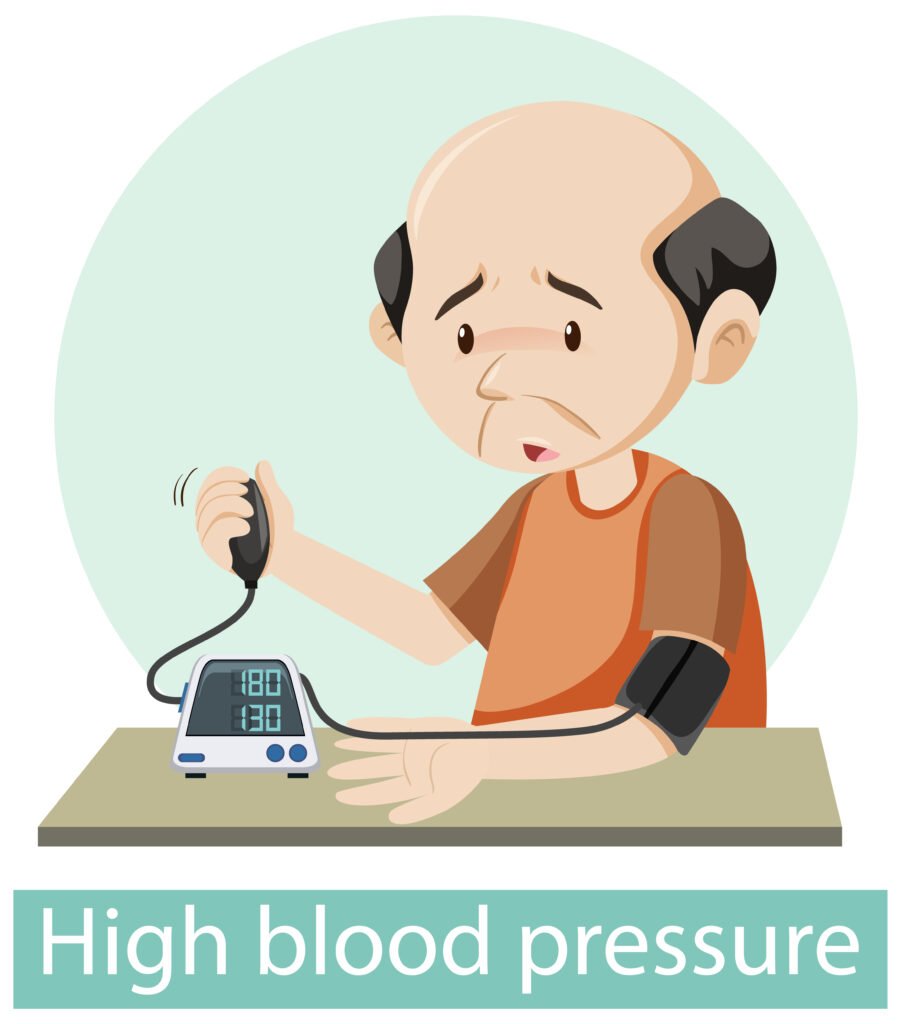
| Hypertensive Crisis | Higher than 180 | and/or | Higher than 120 |
Crucial Safety Note: A single high reading does not mean you have chronic hypertension, as blood pressure naturally fluctuates. However, if your numbers ever suddenly spike above 180/120 mm Hg—especially if accompanied by symptoms like severe headaches, chest pain, shortness of breath, or changes in vision—you are experiencing a hypertensive crisis and must seek emergency medical care immediately.
Taking Control: Empowering Your Heart Through Daily Habits
The most empowering aspect of understanding the “silent killer” is realizing that high blood pressure is highly preventable, manageable, and frequently reversible. You do not have to sit back and wait for a clinical diagnosis to start protecting your cardiovascular system.
Integrating small, intentional, evidence-based lifestyle changes into your daily routine can yield massive, measurable drops in your numbers.
1. Master Your Nutritional Baseline
What you put on your plate directly dictates the flexibility of your arteries.
- Reduce Processed Sodium: Excess dietary sodium signals your kidneys to hold onto extra water. This surplus fluid increases the total volume of blood in your system, driving up the internal pressure. Minimize your reliance on ultra-processed meals, canned soups, and restaurant foods.
- Embrace the DASH Approach: The Dietary Approaches to Stop Hypertension (DASH) eating plan is clinically proven to lower blood pressure. Focus heavily on whole foods rich in potassium, magnesium, and calcium—such as leafy greens, bananas, avocados, nuts, seeds, and lean proteins—which naturally encourage blood vessels to relax and dilate.
2. Commit to Strategic Physical Activity
Exercise acts like medicine for your vascular system. When you engage in consistent physical training, you strengthen your cardiac muscle. A stronger heart can pump substantially more blood with far less effort, decreasing the forceful impact on your artery walls.
- Aerobic Consistency: Aim for at least 150 minutes per week of moderate-intensity aerobic exercise. Activities like brisk walking, cycling, swimming, rowing, or steady-state jogging are phenomenal for vascular elasticity.
- Strength Training Integration: Don’t skip the weights. Resistance training improves body composition, metabolic health, and vascular function, all of which support stable baseline numbers.
3. Proactively Manage Chronic Stress
When you experience ongoing, unmanaged mental or emotional stress, your body remains trapped in a persistent “fight-or-flight” state. This state triggers a continuous release of stress hormones like cortisol and adrenaline, which narrow your blood vessels and cause your heart rate to spike.
- Incorporate brief daily mindfulness practices, such as 5 to 10 minutes of controlled box breathing, meditation, or dedicated time away from digital screens.
- Prioritize getting 7 to 9 hours of quality, uninterrupted sleep every night. Chronic sleep deprivation is directly linked to elevated systemic inflammation and increased baseline blood pressure.
4. Monitor Comfortably at Home
Because clinical environments can sometimes cause anxiety that artificially inflates your numbers (a phenomenon known as “white-coat hypertension”), tracking your baseline at home is highly beneficial.
- Invest in a validated, automated Upper Arm Blood Pressure Monitor. Avoid wrist monitors, which tend to be significantly less accurate.
- To get an accurate reading, sit quietly for 5 minutes beforehand with your feet flat on the floor, your back fully supported, and your arm resting at heart level. Avoid caffeine, exercise, and smoking for at least 30 minutes before taking a measurement.
Final Thoughts
True fitness, health, and wellness are never defined solely by what we can see in the mirror or how much weight we can lift on a barbell. Ultimate vitality is built on how well our internal biological systems are protected and thriving.
Do not leave your vascular health up to guesswork or wait for symptoms that may never show up. Take a proactive step for your long-term health this week: stop by a local pharmacy, visit your healthcare provider, or order a reliable home monitor to check your numbers.
Know your baseline, implement heart-healthy daily habits, and take active charge of protecting your cardiovascular future today!