
Subtotal $0.00


 24 Hour At Your Services

What Should You Weigh? The Ultimate Guide to Healthy Weight Ranges by Height for Men and Women
When it comes to tracking our fitness and health, weight is often the very first metric we look at. But a number on the scale doesn’t mean much without context. The most critical piece of context? Your height.
Knowing your ideal weight range isn’t about fitting a specific aesthetic or molding your body to a certain look. It is a fundamental tool for monitoring your metabolic health and protecting yourself against chronic diseases.
Below, we break down what a healthy weight range looks like for men and women ranging from 5’3″ to 6’0″, how to accurately check if you fall into the overweight or obese categories, and the real health risks of carrying excess weight.
Understanding the Metric: What is BMI?
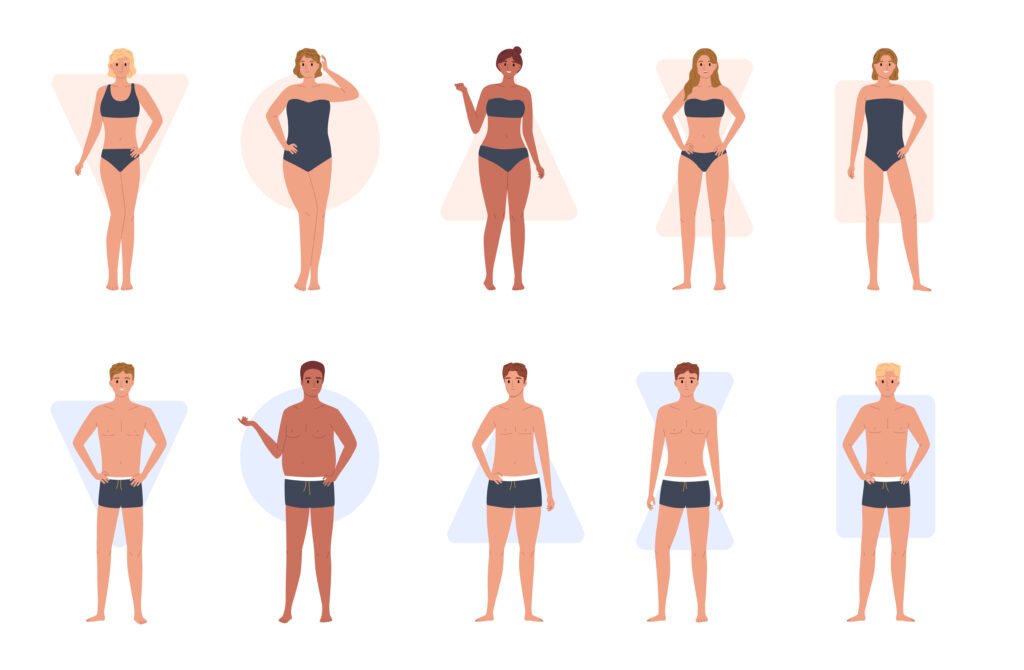
To determine healthy weight ranges, healthcare professionals primarily use the Body Mass Index (BMI). BMI is a universal screening tool that estimates your total body fat by calculating the ratio of your weight to your height.
According to organizations like the World Health Organization (WHO), BMI categories are classified as follows:
- Underweight: BMI below 18.5
- Normal / Healthy Weight: BMI between 18.5 and 24.9
- Overweight: BMI between 25.0 and 29.9
- Obese: BMI of 30.0 or higher
Note: While BMI is an excellent baseline population tool, it is not flawless. It does not distinguish between muscle mass and fat mass. If you have a high amount of muscle (like a bodybuilder or advanced athlete), your BMI might label you as “overweight” even if your body fat percentage is exceptionally low.
Healthy Weight Ranges: From 5’3″ to 6’0″
Because men generally possess higher amounts of bone density and natural muscle mass than women, their ideal ranges sit slightly higher on the scale, even at the same height.
The table below outlines the healthy, normal-weight ranges (equivalent to a BMI of 18.5 to 24.9) for both adult women and men:
| Height | Healthy Weight Range for Women | Healthy Weight Range for Men |
|---|---|---|
| 5 ft 3 in (160 cm) | 104 – 141 lbs (47 – 64 kg) | 111 – 141 lbs (50 – 64 kg) |
| 5 ft 4 in (163 cm) | 108 – 145 lbs (49 – 66 kg) | 115 – 145 lbs (52 – 66 kg) |
| 5 ft 5 in (165 cm) | 111 – 150 lbs (50 – 68 kg) | 118 – 150 lbs (54 – 68 kg) |
| 5 ft 6 in (168 cm) | 114 – 155 lbs (52 – 70 kg) | 122 – 155 lbs (55 – 70 kg) |
| 5 ft 7 in (170 cm) | 118 – 159 lbs (54 – 72 kg) | 126 – 159 lbs (57 – 72 kg) |
| 5 ft 8 in (173 cm) | 122 – 164 lbs (55 – 74 kg) | 130 – 164 lbs (59 – 74 kg) |
| 5 ft 9 in (175 cm) | 125 – 169 lbs (57 – 77 kg) | 134 – 169 lbs (61 – 77 kg) |
| 5 ft 10 in (178 cm) | 129 – 174 lbs (59 – 79 kg) | 138 – 174 lbs (63 – 79 kg) |
| 5 ft 11 in (180 cm) | 132 – 179 lbs (60 – 81 kg) | 142 – 179 lbs (64 – 81 kg) |
| 6 ft 0 in (183 cm) | 136 – 184 lbs (62 – 83 kg) | 146 – 184 lbs (66 – 83 kg) |
Beyond the Scale: How to Truly Check if You Are Overweight
Stepping on a standard bathroom scale tells you your total mass, but it doesn’t give you the full picture of your health risks. To accurately assess if you are carrying dangerous levels of body fat, combine your scale weight with these two highly effective methods:
1. Measure Your Waist Circumference
Where you store fat matters immensely. Fat stored around your thighs and hips is generally subcutaneous (under the skin) and less harmful. Fat stored around your abdomen is visceral fat, which wraps around your vital internal organs and actively releases dangerous inflammatory signals.
- For Women: A waist measurement of 35 inches or more indicates a significantly higher risk of weight-related health problems.
- For Men: A waist measurement of 40 inches or more indicates a heightened risk.
2. Track Your Body Composition
Instead of focusing solely on losing weight, focus on your ratio of fat mass to lean muscle mass. You can get an estimate of this using bioelectrical impedance scales at home, skinfold calipers at the gym, or an advanced medical scan like a DEXA scan.
The Hidden Toll: What Overweight and Obesity Can Cause
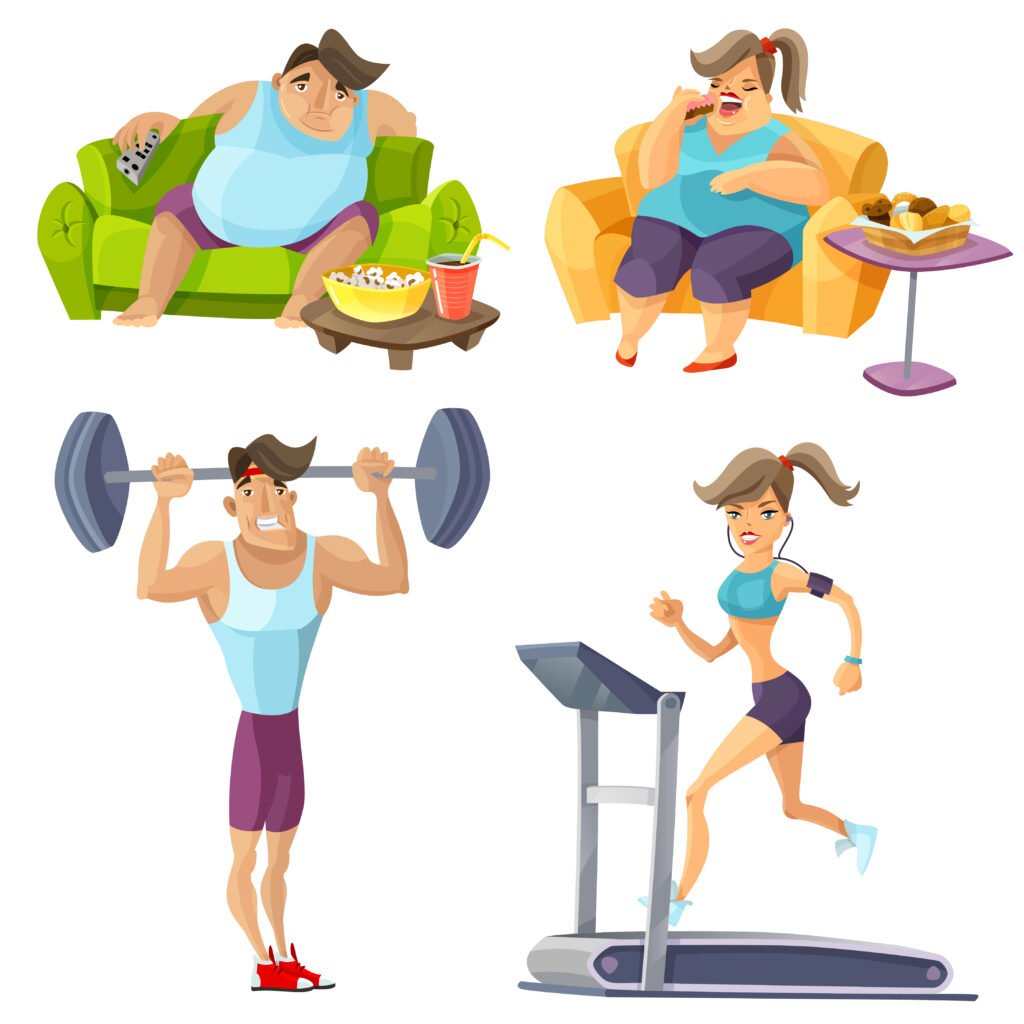
Carrying chronic excess body weight forces your body to work in a constant state of biological stress. Obesity is not merely a matter of carrying extra physical mass; it is a complex, progressive medical condition that damages multiple internal bodily systems over time.
If your weight remains consistently in the overweight or obese zones, it significantly multiplies your risk for several severe conditions:
- Type 2 Diabetes: Excess fat cells make your body’s tissues increasingly resistant to insulin, the hormone responsible for managing your blood sugar. This resistance can cause blood sugar levels to skyrocket, leading to chronic nerve damage, kidney issues, and circulation failure.
- Severe Cardiovascular Disease: Extra weight forces your heart to work substantially harder to pump blood through your system. This overwork elevates your blood pressure, accelerates plaque buildup in your arteries (atherosclerosis), and dramatically increases your risks for catastrophic heart attacks and strokes.
- Joint and Mobility Degradation: Every extra pound you carry places literal mechanical stress on your lower joints—especially your knees, hips, and lower back. This constant structural loading prematurely wears away protective cartilage, leading to painful, debilitating osteoarthritis.
- Sleep Apnea and Respiratory Issues: Excess fat deposited around the neck and upper airways can physically block your breathing passages while you sleep. This leads to sleep apnea, a condition where you repeatedly stop breathing throughout the night, depriving your brain of oxygen and causing chronic fatigue.
- Increased Cancer Risk: Chronic obesity sustains a low-level state of systemic inflammation throughout the body. Research from institutions like the National Cancer Institute confirms that this inflammation is directly linked to an increased risk of developing at least 13 distinct types of cancer, including breast, colorectal, and kidney cancer.
Final Thoughts: Focus on Health, Not Perfection
Your target weight shouldn’t be a rigid, stressful number that makes you feel defeated. It is simply a helpful boundary map designed to help you navigate toward a longer, more energetic life.
If you find that your current weight places you in the overweight or obese ranges, remember that losing just 5% to 10% of your current body weight can produce massive, immediate drops in your blood pressure, cholesterol, and blood sugar levels. Focus on sustainable, daily changes—like choosing whole foods, moving your body consistently, and lifting weights—to move your numbers closer to your ideal range.